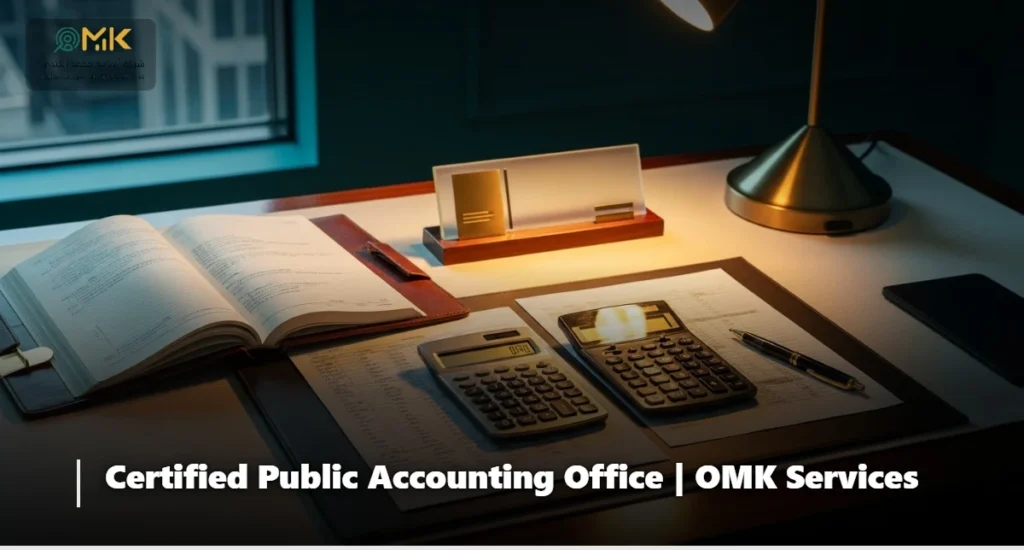
Every serious business whether a startup or an established enterprise eventually reaches a point where guesswork in financial management stops being an option. Working with a certified public accounting office means handing your numbers to professionals who are legally qualified, thoroughly trained, and held to the highest standards of accuracy and integrity. The stakes are simply too high to settle for less.
OMK operates as a full-service licensed accounting firm built around one goal: giving businesses the financial clarity and legal confidence they need to grow. As a dedicated office for public accounting services, OMK combines technical expertise with a practical understanding of the local regulatory landscape — which makes all the difference when the pressure is on.
The Tasks a Public Accountant Performs
The role of a public accountant stretches far beyond crunching numbers at year-end. At its core, the job involves examining a company’s financial records, verifying their accuracy, ensuring compliance with applicable laws and standards, and then reporting findings in a format that stakeholders — owners, investors, regulators — can actually act on. What’s interesting here is how many business owners underestimate just how wide that scope really is.
An accountant working within a licensed accounting firm like OMK will typically handle financial statement preparation, internal audit support, tax planning and filing, payroll verification, and regulatory reporting. They serve as both a watchdog and a strategic advisor. The auditors and legal accountants at OMK don’t just flag problems — they help identify opportunities for cost savings, risk reduction, and stronger financial controls that directly support business growth.
Beyond compliance, a public accountant acts as a bridge between raw financial data and sound decision-making. When a company needs to secure financing, expand into new markets, or restructure its operations, having clean, verified financials prepared by a certified professional gives decision-makers the confidence to move forward — and gives lenders or partners the assurance they need to say yes.
learn about OMK services
Types of Accounting
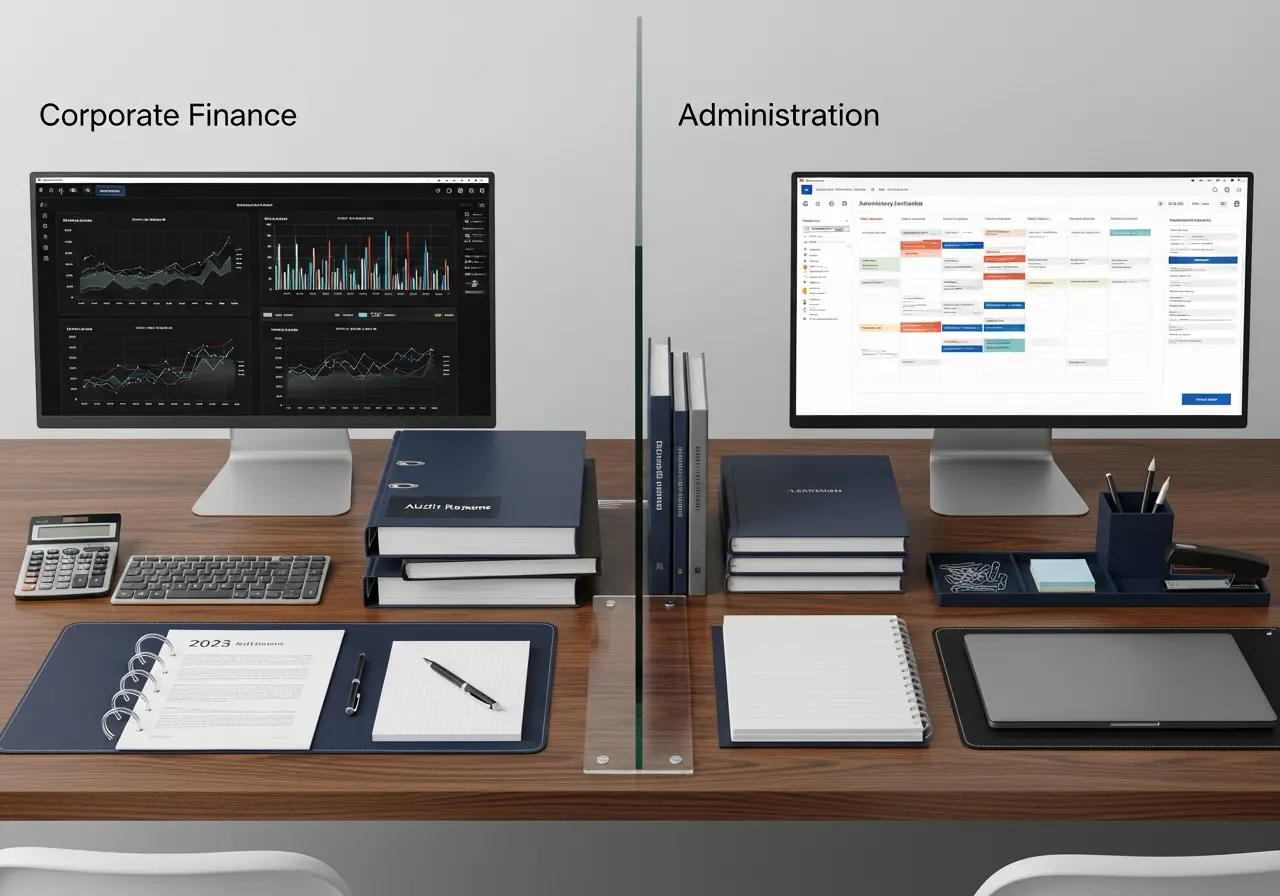
- Financial Accounting — Focuses on preparing financial statements (income statement, balance sheet, cash flow statement) intended for external stakeholders such as investors, banks, and government bodies.
- Management Accounting — Designed for internal use, this type provides managers with detailed cost analysis, budgeting, forecasting, and performance data to guide operational decisions.
- Tax Accounting — Specializes in tax planning, preparation, and compliance, ensuring that a business meets all its obligations under local tax law while minimizing unnecessary tax exposure.
- Audit Accounting — Involves the independent examination of financial records to verify accuracy and detect fraud, errors, or material misstatements — a core function of any serious accounting office.
- Cost Accounting — Tracks and analyzes every cost associated with production or service delivery, helping businesses understand profitability at a granular level.
- Forensic Accounting — Applied when financial disputes or fraud investigations arise, using accounting skills to analyze evidence that may be used in legal proceedings.
- Government and Non-Profit Accounting — Follows specific frameworks that apply to public sector entities and charitable organizations, where accountability and fund management take center stage.
Requirements for Certifying Public Accountants
- Completion of a recognized university degree in accounting, finance, or a closely related field from an accredited institution
- Passing the official certification examinations administered by the relevant professional body in the country of practice
- Accumulating a minimum number of supervised practical experience hours — typically between two and three years of verifiable work in the field
- Maintaining ongoing continuing professional education (CPE) to stay current with changes in standards, laws, and practices
- Registering with the appropriate regulatory authority and obtaining a valid practice license before offering services to the public
- Adhering to a strict code of professional ethics, including independence, objectivity, confidentiality, and integrity in all engagements
- Renewing the license periodically and meeting any additional requirements set by the certifying body in the relevant jurisdiction
What Is the Difference Between a Public Accountant and a Management Accountant?

Here’s the thing — this question comes up constantly, and the confusion is understandable. Both titles involve accounting, but the scope, audience, and legal standing are fundamentally different. A certified public accountant holds an official license issued by a recognized authority. That license grants them the legal right to sign off on audited financial statements, represent clients before tax authorities, and provide services that carry regulatory weight. A management accountant, by contrast, works primarily inside an organization, producing internal reports and analysis for leadership — without necessarily holding a public license.
The distinction matters enormously in practice. If a bank requires audited financial statements before approving a loan, only a certified professional from a recognized certified public accounting office can provide the signature that makes those statements legally valid. A management accountant, however skilled, cannot fulfill that function. This is one reason businesses that are growing, seeking investment, or operating in regulated industries need to establish a relationship with a licensed accounting firm sooner rather than later.
OMK brings together both dimensions — the technical depth of management-style analysis and the legal authority of certified public practitioners. That combination means clients get actionable business intelligence and fully compliant documentation under one roof, without needing to juggle multiple providers.
What Are the Essential Documents an Accounting Office Needs?
- Commercial Registration Certificate — Proof of the company’s legal existence and authorization to conduct business within the jurisdiction.
- Tax Identification Number (TIN) — Required for all tax filings and communications with the relevant tax authority.
- Bank Statements — Covering all business accounts for the relevant reporting period, used to reconcile transactions and verify cash flow.
- Sales and Purchase Invoices — All issued and received invoices, which form the foundation of revenue recognition and expense tracking.
- Payroll Records — Detailed records of employee salaries, deductions, benefits, and payments, essential for both compliance and audit purposes.
- Previous Financial Statements — Prior-year balance sheets, income statements, and audit reports to provide continuity and historical context.
- Contracts and Agreements — Key business contracts, lease agreements, and financing arrangements that affect financial obligations or asset recognition.
- Inventory Records — Stock-in and stock-out logs, valuation reports, and physical count results where applicable to the business type.
Why Choose OMK as Your Certified Public Accounting Office

- Full Legal Certification — OMK operates as a properly licensed accounting firm, meaning every engagement is backed by credentials that meet regulatory standards and give clients complete legal confidence.
- Deep Local Market Knowledge — The team at OMK understands the specific requirements of accounting offices in Riyadh and across the region, including VAT regulations, Zakat obligations, and SOCPA standards that affect Saudi-based businesses directly.
- Comprehensive Service Range — From audit and tax to payroll, financial consulting, and company formation support, OMK functions as a one-stop destination for all the services a growing business needs from auditors and legal accountants.
- Transparent Pricing — No hidden fees, no vague retainers. OMK provides clear, upfront pricing so clients always know what they’re paying for and why.
- Client-Centered Communication — Every client gets direct access to their assigned professional. Questions get answered quickly, reports are explained clearly, and nothing important falls through the cracks.
- Proven Track Record — OMK has built its reputation by delivering consistent, accurate, and timely work for businesses across multiple industries — a track record that speaks louder than any marketing claim.
Frequently Asked Questions about Certified Public Accounting Office
What does a certified public accounting office actually do for businesses?
A certified public accounting office handles the full spectrum of financial compliance and reporting needs that businesses are legally required to meet. This includes preparing and auditing financial statements, filing taxes, managing payroll compliance, and representing the company before regulatory bodies when necessary. Most people overlook how much risk they carry by deferring these responsibilities — errors or omissions in financial reporting can trigger penalties, audits, or loss of investor confidence. OMK helps businesses stay ahead of those risks with proactive, qualified support.
How do I know if an accounting office is officially certified?
A legitimate certified public accounting office will hold a valid license issued by the relevant professional authority — in Saudi Arabia, that is the Saudi Organization for Certified Public Accountants (SOCPA). You should always ask to see the office’s registration number and verify it directly with the issuing body. Beyond the license, look for a team with verifiable qualifications, a clear track record, and a professional client engagement process. OMK is fully registered and transparent about its credentials — just ask.
Why should I choose OMK over other accounting offices in Riyadh?
Among accounting offices in Riyadh, OMK stands out because of the combination of certified expertise, local regulatory knowledge, and genuine commitment to client outcomes. The team doesn’t just process paperwork — they understand your business context and work to protect your interests at every step. Whether you need a one-time audit or ongoing financial management, OMK delivers the kind of service that builds long-term trust.
Waiting until a tax deadline, a regulatory inspection, or a funding round forces the issue is the most expensive way to find out you needed professional help sooner. A certified public accounting office like OMK gives your business the financial foundation it needs to operate confidently, grow sustainably, and meet every obligation without scrambling. Reach out to OMK today — the conversation costs nothing, and the value it unlocks could be significant.