

Handling a property sale or transfer in Saudi Arabia without understanding your real estate transaction tax invoice is one of the most expensive mistakes a buyer or seller can make. This document is not just a formality it is the legal proof that the 5% Real Estate Transaction Tax (RETT) has been calculated, declared, and is ready for payment before title transfer can proceed.
At OMK, our certified accounting office has guided hundreds of clients through the full cycle of property taxation from initial declaration to the final property deed update. If you are about to buy, sell, or transfer property and feel uncertain about your obligations, you are in exactly the right place.
Understanding Real Estate Transaction Tax (RETT)
Real Estate Transaction Tax is a 5% levy imposed on the total value of any real estate disposal in Saudi Arabia, whether that disposal involves a sale, gift, or any other transfer of ownership. The tax was introduced as part of Vision 2030’s broader fiscal reform program and replaced the previous VAT treatment on real estate transactions. What’s interesting here is that it applies to the gross transaction value — not the profit — which means even a transfer between family members can trigger a significant liability if no exemption applies.
The general rule is simple: no tax payment, no title transfer. The Zakat, Tax and Customs Authority (ZATCA) enforces this strictly, and the notary or the property registration office will not proceed with finalizing ownership until the real estate transaction tax service has been fully settled. Understanding this from day one saves enormous time and avoids last-minute scrambles at the notary desk.
What Is the Real Estate Transaction Reference Number?
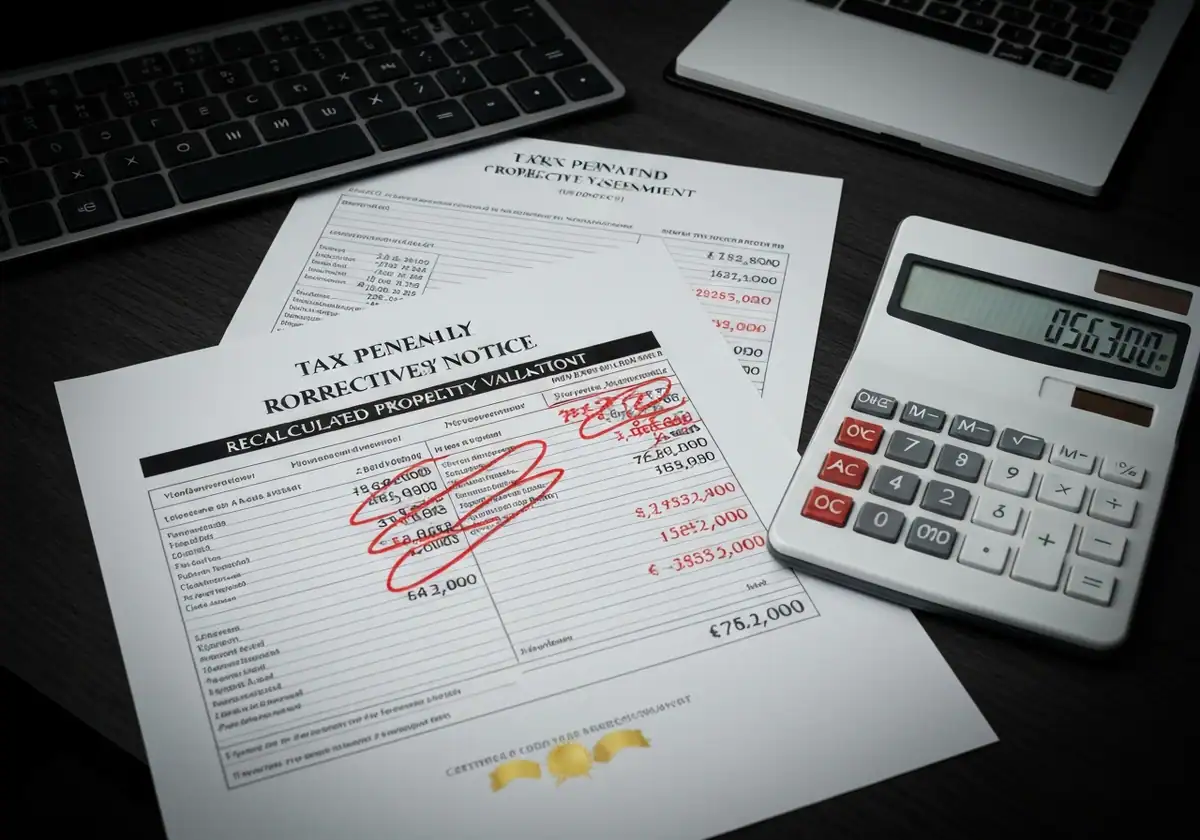
Every time a taxpayer files a real estate disposal declaration through the ZATCA portal, the system generates a unique reference number tied to that specific transaction. This number is the identifier that links the declared property value, the calculated tax, and the payment record — all in one digital thread. Think of it as the transaction’s fingerprint.
This reference number is essential for two reasons. First, it is required during the tax registration number process if the transacting party is not already registered with ZATCA for RETT purposes. Second, it is the number that the notary checks to confirm that the real estate transaction tax invoice has been generated and that the liability is ready for payment. Lose this number, and the entire process stalls until ZATCA can retrieve or reissue the record — a delay that can cost days you simply cannot afford at closing.
Steps to Extract the Transaction Reference Number and Real Estate Transaction Tax Invoice
- Log in to the ZATCA portal using your National ID or Iqama number linked to your NAFATH account.
- Navigate to the Real Estate Transaction Tax section and select “New Transaction Declaration.”
- Enter all property details: location, deed number, transaction type (sale, gift, inheritance, etc.), and the agreed transaction value.
- Confirm the details and submit the declaration — the system will immediately calculate the 5% tax on the declared value.
- The portal will generate your real estate transaction tax invoice along with the unique reference number.
- Download and save both the invoice and the reference number — you will need printed copies at the notary.
- Complete payment through the integrated payment options (SADAD, bank transfer, or approved electronic channels).
- After payment confirmation, the system updates the record, and the notary can proceed with the property deed update.
Risks of Manipulating the Declared Property Value
- Declaring a value lower than the actual agreed price is considered tax evasion under Saudi law and carries penalties that can reach 25% of the undeclared amount in addition to the original tax owed.
- ZATCA uses market-value benchmarks for each district and property type — if your declared value falls significantly below the benchmark, the authority has the right to reassess and issue a corrected invoice regardless of what both parties agreed to declare.
- A manipulated declaration can freeze the property deed update process entirely while ZATCA conducts a review, delaying the transaction for weeks or months.
- In serious cases, the transaction can be voided and referred for criminal prosecution, not just administrative penalty.
- Buyers who knowingly participate in under-declaration share the liability equally with the seller — there is no “I didn’t know” defense once the deed transfer is requested.
- OMK’s certified accounting office strongly advises declaring the real, full transaction value every single time. The risk simply is not worth the marginal saving.
Exemptions and Exceptions from Real Estate Transaction Tax
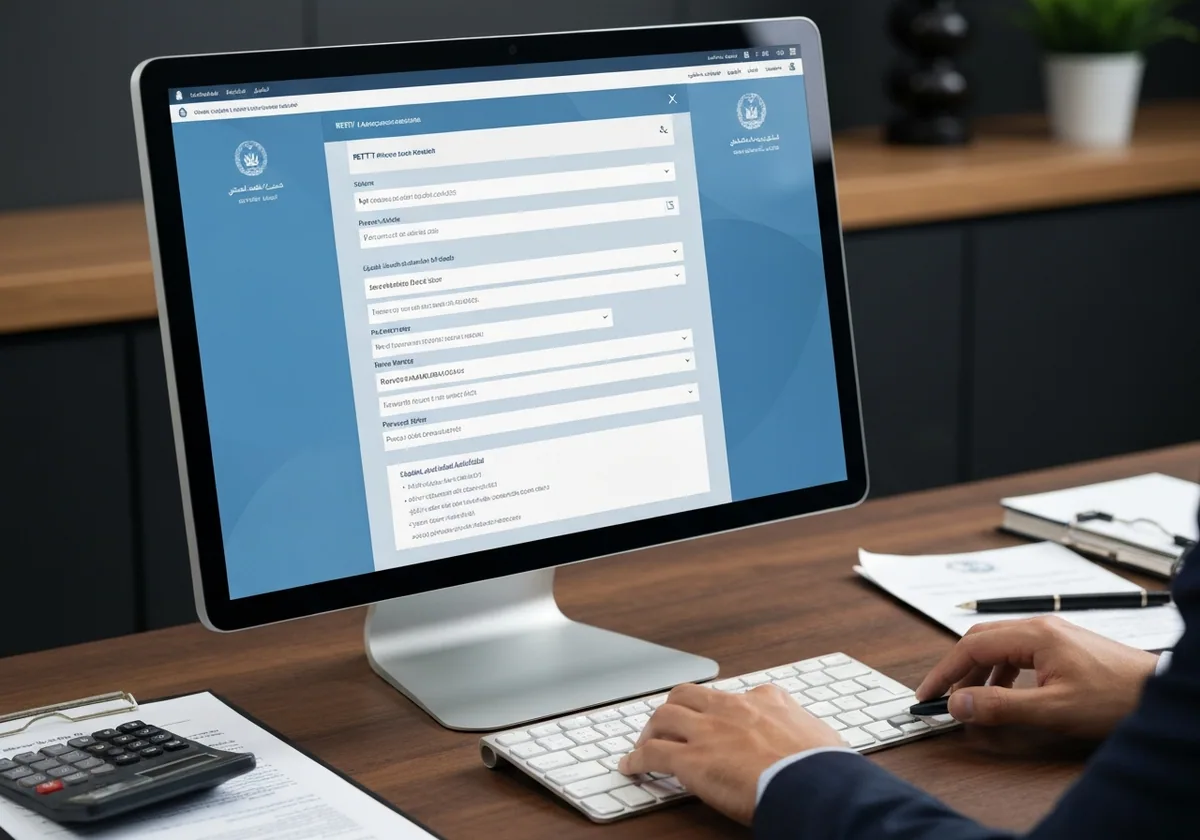
- First-home purchase exemption: Saudi nationals buying their first residential property are exempt from RETT provided the property value does not exceed the threshold set by the Ministry of Housing and that the buyer has not previously owned a residential property.
- Property transfers between spouses are exempt from the tax when properly documented.
- Transfers to direct first-degree relatives (parents to children or children to parents) may qualify for exemption under specific conditions defined by ZATCA.
- Transfers resulting from inheritance are generally exempt, provided the heirs register their claim within the statutory period.
- Property donated to licensed charitable organizations is exempt, subject to ZATCA verification of the organization’s status.
- Transfers from a natural person to a company wholly owned by that same person may qualify for deferral rather than immediate payment, subject to approval.
- Public-interest expropriations conducted by government entities carry their own specific treatment and are typically exempt from RETT.
Steps to Cancel or Amend a Real Estate Transaction Request Before Payment
- Access the ZATCA portal and locate the specific transaction using its reference number before any payment has been processed.
- Select the “Cancel Request” or “Amend Declaration” option — both are available only at the pre-payment stage; once payment is confirmed, cancellation requires a formal written objection.
- If amending, re-enter the corrected property details and resubmit — the system will generate a revised real estate transaction tax invoice with an updated reference number.
- Download the new invoice and confirm that the old reference number is marked as cancelled in the system before proceeding.
- If the cancellation is due to a failed transaction (e.g., the buyer withdrew), retain the cancellation confirmation as documentation in case ZATCA queries the incomplete filing later.
- Contact OMK’s certified accounting office if you encounter a system error during this process — portal rejections at the amendment stage are more common than most people expect and often require direct ZATCA correspondence to resolve.
What Is a Real Estate Transaction Certificate?
A real estate transaction certificate is an official document issued by ZATCA that confirms a specific property disposal has been declared, taxed (or exempted), and settled in compliance with all applicable regulations. It is distinct from the invoice itself — the invoice is the demand for payment, while the certificate is the proof that everything has been fulfilled.
Most people overlook the fact that this certificate carries legal weight beyond the immediate transaction. It serves as a clean-title confirmation for future dealings with the property, and in some financing scenarios, banks will request it before approving mortgage facilities on a recently transferred property. The real estate transaction tax service process is technically not complete until this certificate is in your hands.
The Purpose of Obtaining the Real Estate Certificate

The primary purpose is to provide an indisputable record that the relevant property disposal met all ZATCA obligations at the time of transfer. This matters enormously if the property is ever sold again, because the new buyer’s legal team will trace the chain of title — and a gap in RETT compliance can create liability that attaches to the current owner, not the original transacting party.
Here’s the thing: property disputes in Saudi Arabia frequently hinge on documentation quality. Having the certificate on file is not about bureaucratic box-ticking — it is about protecting asset value for every subsequent transaction. OMK’s certified accounting office always counsels clients to file for this certificate immediately after payment, not months later when details become harder to verify.
Steps to Obtain the Real Estate Transaction Certificate
- Confirm that the tax payment has been fully processed and that the ZATCA portal shows a “Paid” status for your transaction reference number.
- Log back into the ZATCA portal and navigate to the certificate issuance section within the Real Estate Transaction Tax service.
- Enter your transaction reference number and verify the property details displayed match your records exactly.
- Request the certificate — the system typically generates it within minutes for fully settled transactions.
- Download the PDF certificate and print at least two copies: one for your records and one to submit to the property registration authority for the deed update.
- Verify that the certificate includes the correct property deed number, transaction date, declared value, and the tax amount paid or the exemption reference if applicable.
What Happens If Real Estate Transaction Tax Is Not Paid?
Failing to pay before attempting to register a property transfer will result in an outright rejection at the notary or property registration office — the system is integrated, and there is no workaround. The transaction simply cannot proceed. Beyond that immediate block, ZATCA can issue an assessment notice if it detects that a property changed hands without a corresponding RETT declaration, which triggers late-payment surcharges starting at 1% per month of the outstanding tax.
Prolonged non-compliance can result in a formal tax audit of the individual or entity involved, with ZATCA examining other transactions for potential underpayments. The tax registration number linked to the property owner becomes flagged, which can affect unrelated business dealings that require a clean ZATCA standing certificate. The message is straightforward: delay costs far more than compliance ever would.
Frequently Asked Questions
How Long Does It Take to Receive a Real Estate Transaction Tax Invoice After Filing?
In most cases, the real estate transaction tax invoice is generated instantly upon submitting a complete and accepted declaration through the ZATCA portal. The system is fully automated, so there is no waiting period as long as all the required property and party details are entered correctly. If the portal returns an error or the invoice does not appear within 24 hours, it typically indicates a data mismatch — OMK’s certified accounting office can help identify and correct the issue quickly so your closing timeline stays on track.
Can I Cancel a Real Estate Transaction Request After the Invoice Is Issued?
Yes, but only if payment has not yet been processed. Once you have paid, the process moves into a formal dispute or refund territory, which requires a written objection submitted to ZATCA and can take considerably longer to resolve. The cancellation window pre-payment is straightforward through the portal, but post-payment corrections require documentation proving the transaction was genuinely voided — a purchase agreement cancellation, for example. OMK handles these cases regularly and knows exactly what ZATCA needs to see to approve a refund.
What Documents Do I Need to Register My Tax Number Before a Property Transfer?
For the tax registration number process related to RETT, individual Saudi nationals primarily need their National ID and NAFATH verification. Non-Saudi residents need their Iqama and NAFATH access. If a company is the transacting party, you will additionally need the commercial registration certificate, the authorized signatory’s ID, and the company’s existing ZATCA registration details. Having these ready before the transaction date prevents last-minute gaps that delay your property deed update and push closing past its deadline.
Navigating property ownership transfers without expert support is a gamble few can afford. Your real estate transaction tax invoice is the cornerstone document in any property disposal, and getting it right — declared at full value, paid on time, with the certificate in hand protects you legally and financially for every future transaction involving that asset. OMK’s certified accounting office specializes in exactly this: turning a complex, high-stakes process into a smooth, documented, fully compliant experience. Contact OMK today and let our team handle every step of your real estate transaction tax service from declaration to certificate — so you can close with confidence.